Tuesday, 13 May 2025

Prevention of Kidney Stones | Dr. Deepika

 Kidney stones are a frequent health issue that can lead to intense pain and discomfort. Simple changes in lifestyle and the application of natural remedies can prevent stone formation. In this blog, the causes, symptoms, and the most effective ways to prevent it have been discussed, along with the use of homeopathic medicine for kidney stones.


What is a Kidney Stone?


A kidney stone is a hard, crystalline mineral that forms in the kidney when minerals such as calcium or uric acid accumulate in the urine. The stones may be the size of a grain of sand or the size of a pebble. When they move through the urinary tract, they can cause intense pain and lead to other health problems.


Causes of Kidney Stone


Kidney stones develop when minerals such as calcium, oxalate, and uric acid in the urine become too concentrated and form crystals. People living in hot climates or with a family history of stones are more likely to be affected. Knowing the causes can help prevent stone formation.


Common Causes of Kidney Stones:


  • Low fluid intake – Failing to drink sufficient water results in concentrated urine.

  • High salt and sugar diet – Raises calcium and uric acid levels in urine.

  • Oxalate-containing foods – Excess spinach, nuts, or chocolate can increase oxalate levels.

  • Excessive animal protein – Red meat can raise acidity in urine.

  • Obesity is linked to chemical changes in urine that predispose to stone formation.

  • Family history – Stone formation may be influenced by heredity.

  • Certain medical conditions – Urinary tract infections, gout, or gastrointestinal disease may predispose.


Symptoms of Kidney Stone


Kidney stones often cause no symptoms until they start moving within the kidney or enter the ureter, the tube that carries urine to the bladder. This movement can trigger pain and other noticeable signs. After a stone has traveled, it will obstruct urine flow and lead to severe pain. The pain might be in waves and shift in position and severity. Other symptoms are difficulty with urination and signs. Identification of these signs early ensures prompt treatment and prevents complications.


Common Signs of Kidney Stones:


  • Severe pain on the side or back – Typically radiates to the lower abdomen or groin

  • Burning or stabbing pain when urinating

  • Need to urinate often – Even if very little or nothing comes out

  • Blood in urine – Urine is pink, red, or brown

  • Cloudy or foul-smelling urine – May signal a possible infection

  • Nausea and vomiting – Caused by pain or blockage

  • Fever and chills – May happen if there is a urinary tract infection


Prevention of Kidney Stone


It is possible to prevent kidney stones with some healthy lifestyle habits. Drinking plenty of water during the day is the most crucial part, as it encourages minerals to flush out before they can crystallize to form stones. Maintaining a balanced diet with reduced salt, sugar, and animal protein intake also lowers the risk. Limited consumption of oxalate-containing foods such as spinach, nuts, and chocolate is beneficial for people with a history of stones. Healthy weight and regular physical activity promote general kidney health. In some situations, homeopathic treatment for kidney stones also discourages recurrence.


Tips to Prevent Kidney Stones:


1. Hydrate:

Make sure to drink at least 8 to 10 glasses of water each day to stay well-hydrated. Remaining well-hydrated dilutes the chemicals in urine that lead to stones and promotes overall kidney functioning.


2. Restrict Salt and Sugar Intake:

Excessive levels of salt and sugar, particularly from processed food and sweet beverages, may boost calcium and uric acid excretion in urine, increasing stone formation risk.


3. Eat a Healthy Diet:

Eat more fruits, vegetables, and whole grains. An ideal diet preserves normal urine pH and prevents excessive accumulation of substances that form stones.


4. Steer Clear of Oxalate-Rich Foods:

Some foods like spinach, beets, chocolate, and nuts are high in oxalates, which can lead to stone formation in some individuals. Moderation or professional guidance is key if you’re prone to stones.


5. Control Animal Protein Intake:

Eating large amounts of red meat, organ meats, and seafood can increase the level of uric acid in the body, making it easier for stones to form. Stick to moderate portions.


6. Stay at a Healthy Weight:

Several kidney issues, including stones, are associated with obesity. Weight management through exercise and proper diet can aid in keeping the kidneys healthy.


7. Apply Natural Remedies:

Homeopathic medications, with proper professional advice, can assist the kidneys, relieve pain, and lower the likelihood of recurrence of stones naturally and mildly.


8. Watch Your Health:

If you have experienced kidney stones in the past, frequent medical checkups and urine analyses can detect early symptoms and avoid complications with prompt treatment.


Homeopathy Medicine for Kidney Stones


Homeopathy provides a natural remedy for kidney stones by treating symptoms such as pain and alterations. It relieves pain, dissolves small stones, and prevents recurrence, with an emphasis on long-term kidney health without side effects. It's a wonderful choice for those who want to steer clear of surgery or repeated stone formation.


Common Homeopathic Remedies for Kidney Stones:


  • Berberis Vulgaris – Helpful for intense, radiating pain from the kidney down to the bladder

  • Cantharis – Helps with burning pain while urinating and a constant urge to pass urine

  • Lycopodium – Best suited for right-sided kidney stones with bloating and digestive issues

  • Sarsaparilla – Relieves pain that occurs especially at the end of urination

  • Hydrangea – Reputed as a natural stone breaker, it dissolves gravel

  • Ocimum Canum – Helpful in uric acid stones with reddish or turbid urine

  • Pareira Brava – For straining pain on urination with stone-like pain


Disclaimer:


The information presented on homeopathy treatment for kidney stones is for general information purposes only and should not be used as a substitute for expert medical advice, diagnosis, or treatment. Always see a qualified homeopathy doctor or medical professional before any treatment. Individual outcomes may vary based on health conditions. Do not self-administer or delay medical attention based on this information.


Consult with Dr. Deepika


Dr. Deepika has spent years successfully treating kidney stones using safe and gentle homeopathy. With extensive expertise in recognizing unique patterns of cases, she prescribes individualized remedies that dissolve stones, reduce pain, and avert recurrences. Her patient-centered strategy and gentle approaches provide long-term relief without adverse effects.


Wednesday, 5 March 2025

Best Homeopathy Medicine for Skin Allergy and Itching in Noida

 Skin allergies are common and can be irritating, uncomfortable, and inflammatory. Everyone wishes to eliminate their symptoms with no side effects and, hence, seeks natural cures. Homeopathy Medicine for Skin Allergy is a fine and natural method of treating skin allergies since it removes the allergy cause and builds healthy skin.

What is a Skin Allergy?


Skin allergy is an immune response to certain chemicals to which the skin. It causes itching, redness, swelling, and irritation. Allergens such as pollen, dust, chemicals, or food may cause skin allergies. A person might not feel severe reactions, while others do, and they urgently need attention.


Types of Skin Allergy


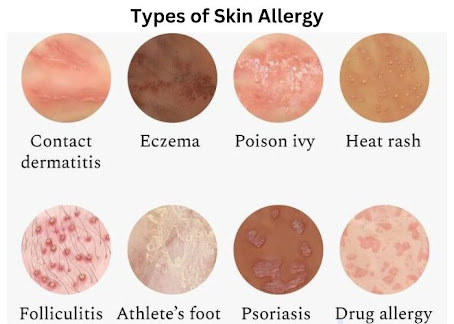
  • Contact Dermatitis – Results when the skin is irritated by allergens such as soaps, detergents, or metals. This allergy results in redness, itching, and occasionally blisters.


  • Atopic Dermatitis (Eczema) – A long-term condition that leads to dry, itchy, and inflamed skin. It tends to begin in childhood and continue into adulthood.


  • Hives (Urticaria) – Red, itchy welts that erupt suddenly as a result of allergens or stress. They may last for hours or even days.


  • Angioedema – Swelling deep in the skin, typically on the lips, eyelids, or throat. It may be a medical emergency if it makes breathing difficult.


  • Psoriasis – The buildup of skin cells that creates scaly patches and redness. Although not an allergy per se, symptoms of psoriasis can be triggered and made worse by allergens.


  • Seborrheic Dermatitis – A condition of the skin that leads to redness and flaky patches, particularly on the scalp and face, which may be confused with allergies.


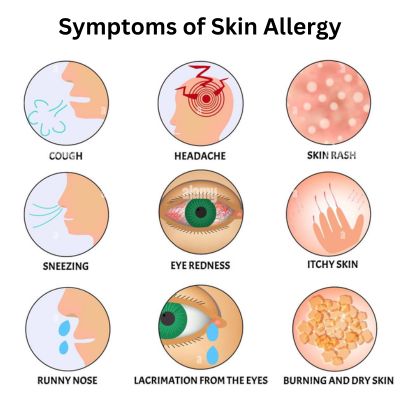
Symptoms of Skin Allergy


  • Redness and inflammation – Touched areas are irritated, puffy, and warm.


  • Itching and irritation – Chronic itching can get worse with scratching and cause more damage to the skin.


  • Dry, scaly, or flaky skin – Moisture is lost from the skin, and roughened patches appear, common in eczema.


  • Blisters or rashes – Small fluid-filled blisters can appear, sometimes oozing and becoming infected.


  • Swelling of the affected site – Swelling is one of the most common reactions due to allergies, particularly with hives and angioedema.


  • Burning or pain – The Skin becomes sensitive, with burning or stinging in extreme cases.


  • Cracked skin or bleeding – Repeated skin allergies can result in deep cracks, resulting in bleeding and soreness.


  • Increasing symptoms with exposure to allergens – Symptoms worsen upon repeated exposure to allergens such as pollen, dust, or chemical substances.


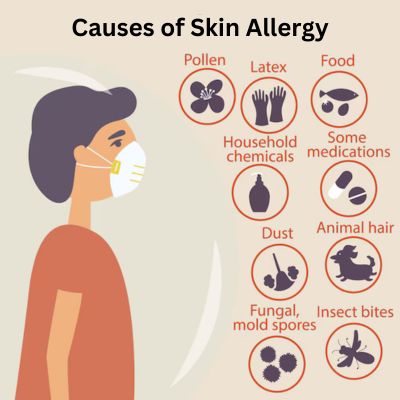
Causes of Skin Allergy


  • Chemical Irritants – Harsh soaps, detergents, cosmetics, and perfumes have chemicals that remove the skin's natural barrier, leading to irritation and allergies.


  • Environmental Allergens – Pollen, dust mites, mold, and pet dander can cause skin allergies, which result in redness, swelling, and itching.


  • Certain Foods – Nuts, dairy, seafood, and gluten are food allergens that can result in skin reactions such as hives or eczema flare-ups.


  • Insect Stings and Bites – Mosquitoes, bees, or ant bites may lead to allergic reactions, causing swelling, redness, and long-lasting itching.


  • Severe Weather Conditions – Excessive cold, heat, or humidity may exacerbate skin allergies, causing the skin to become dry, cracked, or inflamed.


  • Medications – Some antibiotics, painkillers, or prescription medications may lead to allergic reactions, causing rashes, hives, or skin sensitivity.


  • Synthetic Fabrics – Polyester or nylon clothing has poor breathability and chemical dyes, leading to skin irritation.


  • Stress and Anxiety – High stress levels will make the immune system weak and make the skin susceptible to inflammation and allergies.


Homeopathy Treatment for Skin Allergy


Homeopathy offers a natural and lasting cure for skin allergies by correcting the underlying cause. It curbs itching, redness, and inflammation, along with building up immunity. Such remedies as Sulphur, Natrum Mur, and Rhus Tox work wonders against eczema, hives, and dermatitis without having any side effects.


Homeopathy Medicine for Skin Allergy


  • Sulphur – Suitable for prickly, scorching rashes, and parched skin. It reduces inflammation and irritation, particularly when increased by heat.


  • Natrum Mur – Relieves eczema and dry, cracked skin. Suitable for individuals whose allergies are heightened in dry or damp weather.


  • Rhus Tox – Suitable for red, inflamed rashes that increase in cold. Reduces severe itching and burning pains.


  • Graphites – Helpful for oozing eczema and thickened skin. It is beneficial in cases where the skin feels rough and cracked.


  • Apis Mellifica – Reduces burning, swelling, and itching. It is very effective for hives and angioedema.


  • Arsenicum Album is best for allergic reactions with dry, scaly, and inflamed skin. It also relieves burning.


  • Mezereum – Helpful for skin allergies with severe itching and pus-filled eruptions.


  • Urtica Urens – Most suited for insect bite allergies, heat rash, and food allergies.


  • Petroleum – Helpful for intense dryness and chapped skin that aggravates during cold climates.


  • Thuja Occidentalis – Helpful in case of allergic skin problems that lead to warts or unnatural growths of the skin.


Disclaimer


Homeopathic medicines for skin allergies must be consumed under the guidance of a competent doctor. Results are variable depending on individual conditions. Use after consulting a specialist.


Consult with Dr. Deepika


Dr. Deepika is an expert in curing skin allergies with customized homeopathy. Her patients have experienced long-term relief from eczema, hives, and dermatitis. Testimonials show decreased itching, redness, and inflammation with side-effect-free, safe solutions.


Tuesday, 11 February 2025

Homeopathy Medicine for High Blood Pressure in Noida

 One common health issue is high blood pressure or hypertension. It may cause heart disease stroke, or even kidney problems if it goes uncontrolled. Homeopathy medicine for high blood pressure is totally natural and free of side effects, helping regulate the blood pressure level. The goal is to treat the basic disease, improve health in general, and give a warning for further risks in the future. Homeopathic treatment has been becoming very popular in the people of Noida seeking a holistic, long-term cure for hypertension.

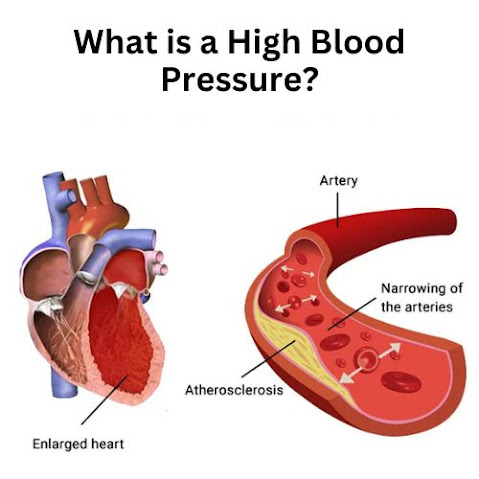
What is a High Blood Pressure?


High blood pressure results when the pressure of the blood against the artery walls becomes too high. The measurement of it is usually represented in millimeters of mercury (mmHg) by two numbers:


Systolic Pressure: This is pressure inside the arteries at the moment of heart contraction.


Diastolic Pressure: This refers to the pressure in the arteries between beats.


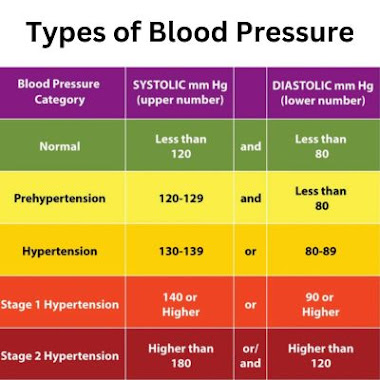
Types of Blood Pressure


Normal Blood Pressure: A reading of about 120/80 mmHg is considered healthy, showing good heart function and blood flow.

High Blood Pressure: If the systolic pressure is between 120-129 mmHg while diastolic is less than 80 mmHg, it indicates potential hypertension.

Hypertension Stage 1: Blood pressure falls between 130-139/80-89 mmHg, in which lifestyle modifications are needed, and possibly with medication.

Hypertension Stage 2: A measurement of 140/90 mmHg and above is very serious and thus requires urgent hospital care.

Hypertensive Crisis: Whenever the BP reads more than 180/120 mmHg, it then becomes a life-threatening medical issue that can potentially cause stroke and heart attack

Hypotension (Low Blood Pressure): When the readings are below 90/60 mmHg, it would result in dizziness, shock, and passing out.


Causes of High Blood Pressure


Various reasons lead to the development of hypertension, such as:

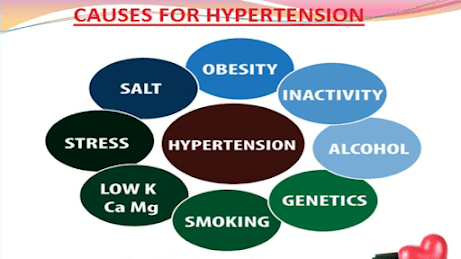
Genetic: Family background is a leading cause of developing hypertension.

Unhealthy Diet: High salt consumption, processed food, and heavy meals increase blood pressure.

Sedentary Lifestyle: A sedentary life weakens the heart and the blood circulation process.

Obesity: Excessive weight puts extra pressure on the heart and the blood vessels.

Stress: Continuous stress and anxiety can result in increased levels of blood pressure.


Smoking and Alcohol: These are damaging blood vessels and increase blood pressure.


Chronic Diseases: Hypertension is caused by diseases such as diabetes, kidney diseases, and thyroid problems.


Symptoms of High Blood Pressure


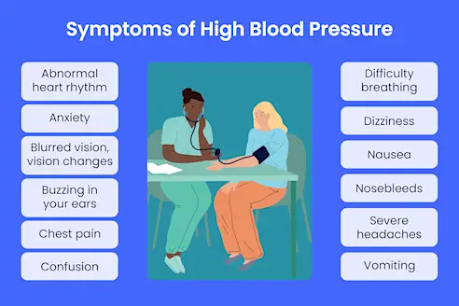
High blood pressure, more commonly known as hypertension, is a "silent killer" in the sense that most patients with this disease do not report any noticeable symptoms. However, in some cases, patients may notice the following signs and symptoms:


Headaches: Persistent and severe headaches, often in the morning.

Dizziness or Blurred Vision: Sudden dizziness or blurry eyesight.

Chest Pain or Tightness: Pain in the chest, usually due to heart strain.

Shortness of Breath: Difficulty breathing, often following slight physical activity.

Fatigue or Weakness: Unusually tired or low energy.

Nosebleeds: Spontaneous bleeding in the nose, which doesn't have any specific cause.

Irregular Heartbeat: Tachycardia or heart that beats with great force.

Swelling in the Legs or Feet: Water retention because of circulatory disorder.


Since the blood pressure often fails to indicate anything wrong, you need to measure your blood pressure regularly. Then, go and see a doctor if any of these signs or symptoms are chronic. Homeopathy deals directly with the real cause of a high blood pressure condition rather than just managing or controlling symptoms of the condition. 


Homeopathy Medicine for High Blood Pressure


Some of these effective homeopathic remedies are the following:


Rauwolfia Serpentina: One of the most basic homeopathic medicines for hypertension because it helps lower blood pressure with natural processes


Belladonna: When symptoms of sudden hypertension with a headache that throbs


Glonoinum: For fluctuation in blood pressure with heat, dizziness, etc.


Natrum Muriaticum: It is recommended for people suffering from stress-induced hypertension and water retention.


Nux Vomica: This is helpful in cases of high blood pressure caused by bad lifestyle habits, including alcohol and caffeine consumption.


Lachesis: It is used in cases of high blood pressure associated with menopause or hormonal imbalances.


A qualified homeopathy doctor in Noida can assess your condition and prescribe the right remedy based on your symptoms and health history.

Disclaimer


This article is for information purposes only. Always consult with a medical professional before initiating any treatment. Homeopathy medicines must be taken only under the supervision of a qualified homeopathy doctor.

Risk Factors for High Blood Pressure


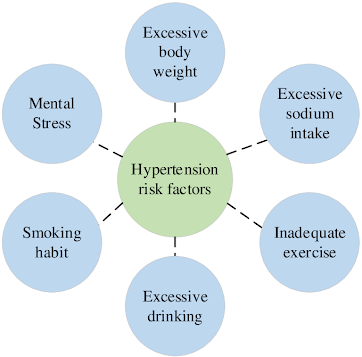
Certain factors increase the risk of getting high blood pressure:


Age: The risk will increase with people's age.

Family History: Genetics plays an important role in hypertension.

Lifestyle: The unhealthy diet and smoking, in addition to exercise, are contributory factors.

Medical Conditions: Diabetes, High Cholesterol, and Kidney Disease increase one's chances for hypertension.


Gender: High blood pressure tends to appear at an earlier age in men than in women, especially in postmenopause.

Precaution of High Blood Pressure

Maintain a Healthy Diet: Follow a healthy diet that is abundant in fruits, vegetables, whole grains, and low-fat dairy products.

Salt Intake should be Reduced: Reduce sodium intake to maintain control over the blood pressure level.

Physical Activity: Engage in regular physical activity such as walking, yoga, or cycling for at least 30 minutes a day.

Manage Stress: Meditation, deep breathing, or relaxation techniques should be used to reduce the stress level.

Limit alcohol and caffeine: Both can increase the blood pressure.

Healthy weight: Obesity increases the risk of having hypertension; always aim for a healthy weight

No smoking: Smoking causes an increase in blood pressure and wounds blood vessels.

Keep track of your blood pressure: Take care to keep your BP at a certain level and visit a doctor to adjust it.

Get Quality Sleep: Ensure at least 7-8 hours of good sleep every night to stay healthy.

Adhere to Homeopathic Treatment Protocol: Homeopathy provides natural home remedies that regulate blood pressure effectively and safely.


Consult with Dr. Deepika


Dr. Deepika is a homeopathy specialist in high blood pressure. She treats patients with personalized treatment for lasting results. Patients have seen a significant improvement with BP stabilizing naturally through safe and effective remedies.

Homeopathy Medicine For Eczema | Dr. Deepika Homeopathy

  Eczema can be managed safely and naturally through homeopathic medicine, which focuses on treating the root cause rather than just symptom...