Tuesday, 11 February 2025

Homeopathy Medicine for High Blood Pressure in Noida

 One common health issue is high blood pressure or hypertension. It may cause heart disease stroke, or even kidney problems if it goes uncontrolled. Homeopathy medicine for high blood pressure is totally natural and free of side effects, helping regulate the blood pressure level. The goal is to treat the basic disease, improve health in general, and give a warning for further risks in the future. Homeopathic treatment has been becoming very popular in the people of Noida seeking a holistic, long-term cure for hypertension.

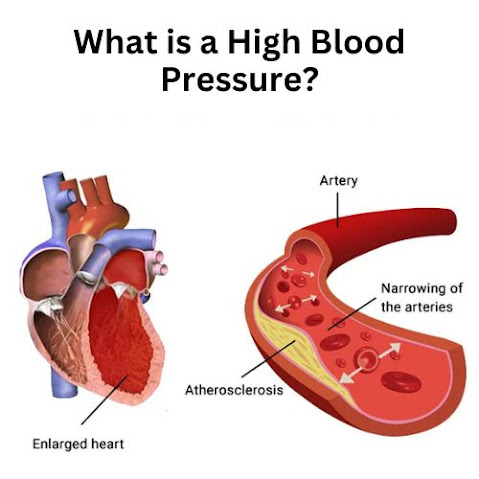
What is a High Blood Pressure?


High blood pressure results when the pressure of the blood against the artery walls becomes too high. The measurement of it is usually represented in millimeters of mercury (mmHg) by two numbers:


Systolic Pressure: This is pressure inside the arteries at the moment of heart contraction.


Diastolic Pressure: This refers to the pressure in the arteries between beats.

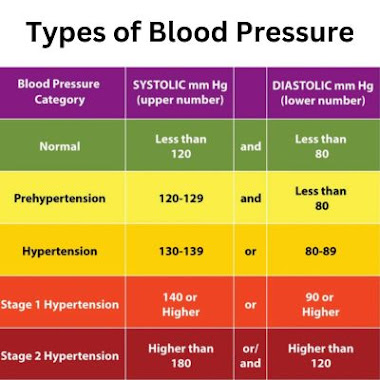
Types of Blood Pressure


Normal Blood Pressure: A reading of about 120/80 mmHg is considered healthy, showing good heart function and blood flow.

High Blood Pressure: If the systolic pressure is between 120-129 mmHg while diastolic is less than 80 mmHg, it indicates potential hypertension.

Hypertension Stage 1: Blood pressure falls between 130-139/80-89 mmHg, in which lifestyle modifications are needed, and possibly with medication.

Hypertension Stage 2: A measurement of 140/90 mmHg and above is very serious and thus requires urgent hospital care.

Hypertensive Crisis: Whenever the BP reads more than 180/120 mmHg, it then becomes a life-threatening medical issue that can potentially cause stroke and heart attack

Hypotension (Low Blood Pressure): When the readings are below 90/60 mmHg, it would result in dizziness, shock, and passing out.

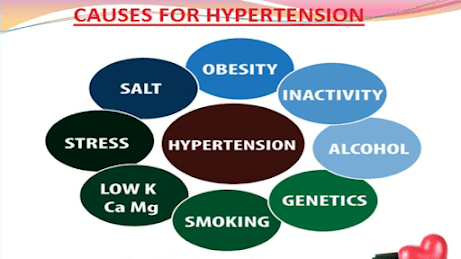
Causes of High Blood Pressure


Various reasons lead to the development of hypertension, such as:

Genetic: Family background is a leading cause of developing hypertension.

Unhealthy Diet: High salt consumption, processed food, and heavy meals increase blood pressure.

Sedentary Lifestyle: A sedentary life weakens the heart and the blood circulation process.

Obesity: Excessive weight puts extra pressure on the heart and the blood vessels.

Stress: Continuous stress and anxiety can result in increased levels of blood pressure.


Smoking and Alcohol: These are damaging blood vessels and increase blood pressure.


Chronic Diseases: Hypertension is caused by diseases such as diabetes, kidney diseases, and thyroid problems.

Symptoms of High Blood Pressure


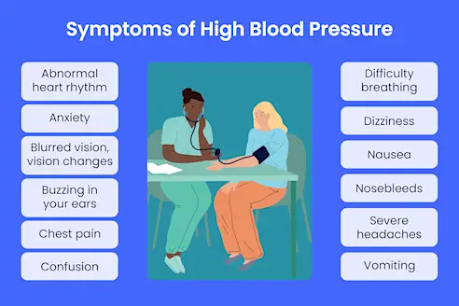
High blood pressure, more commonly known as hypertension, is a "silent killer" in the sense that most patients with this disease do not report any noticeable symptoms. However, in some cases, patients may notice the following signs and symptoms:


Headaches: Persistent and severe headaches, often in the morning.

Dizziness or Blurred Vision: Sudden dizziness or blurry eyesight.

Chest Pain or Tightness: Pain in the chest, usually due to heart strain.

Shortness of Breath: Difficulty breathing, often following slight physical activity.

Fatigue or Weakness: Unusually tired or low energy.

Nosebleeds: Spontaneous bleeding in the nose, which doesn't have any specific cause.

Irregular Heartbeat: Tachycardia or heart that beats with great force.

Swelling in the Legs or Feet: Water retention because of circulatory disorder.


Since the blood pressure often fails to indicate anything wrong, you need to measure your blood pressure regularly. Then, go and see a doctor if any of these signs or symptoms are chronic. Homeopathy deals directly with the real cause of a high blood pressure condition rather than just managing or controlling symptoms of the condition. 


Homeopathy Medicine for High Blood Pressure


Some of these effective homeopathic remedies are the following:


Rauwolfia Serpentina: One of the most basic homeopathic medicines for hypertension because it helps lower blood pressure with natural processes


Belladonna: When symptoms of sudden hypertension with a headache that throbs


Glonoinum: For fluctuation in blood pressure with heat, dizziness, etc.


Natrum Muriaticum: It is recommended for people suffering from stress-induced hypertension and water retention.


Nux Vomica: This is helpful in cases of high blood pressure caused by bad lifestyle habits, including alcohol and caffeine consumption.


Lachesis: It is used in cases of high blood pressure associated with menopause or hormonal imbalances.


A qualified homeopathy doctor in Noida can assess your condition and prescribe the right remedy based on your symptoms and health history.

Disclaimer


This article is for information purposes only. Always consult with a medical professional before initiating any treatment. Homeopathy medicines must be taken only under the supervision of a qualified homeopathy doctor.

Risk Factors for High Blood Pressure


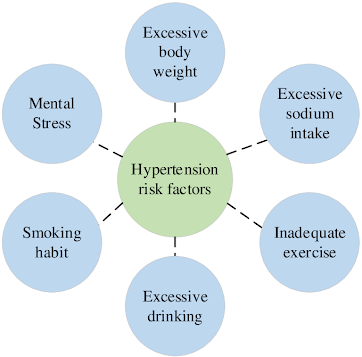
Certain factors increase the risk of getting high blood pressure:


Age: The risk will increase with people's age.

Family History: Genetics plays an important role in hypertension.

Lifestyle: The unhealthy diet and smoking, in addition to exercise, are contributory factors.

Medical Conditions: Diabetes, High Cholesterol, and Kidney Disease increase one's chances for hypertension.


Gender: High blood pressure tends to appear at an earlier age in men than in women, especially in postmenopause.
Precaution of High Blood Pressure

Maintain a Healthy Diet: Follow a healthy diet that is abundant in fruits, vegetables, whole grains, and low-fat dairy products.

Salt Intake should be Reduced: Reduce sodium intake to maintain control over the blood pressure level.

Physical Activity: Engage in regular physical activity such as walking, yoga, or cycling for at least 30 minutes a day.

Manage Stress: Meditation, deep breathing, or relaxation techniques should be used to reduce the stress level.

Limit alcohol and caffeine: Both can increase the blood pressure.

Healthy weight: Obesity increases the risk of having hypertension; always aim for a healthy weight

No smoking: Smoking causes an increase in blood pressure and wounds blood vessels.

Keep track of your blood pressure: Take care to keep your BP at a certain level and visit a doctor to adjust it.

Get Quality Sleep: Ensure at least 7-8 hours of good sleep every night to stay healthy.

Adhere to Homeopathic Treatment Protocol: Homeopathy provides natural home remedies that regulate blood pressure effectively and safely.


Consult with Dr. Deepika


Dr. Deepika is a homeopathy specialist in high blood pressure. She treats patients with personalized treatment for lasting results. Patients have seen a significant improvement with BP stabilizing naturally through safe and effective remedies.

Tuesday, 28 January 2025

Homeopathy Medicine for Fungal Infection

 Fungal infections have become one of the very common diseases that affect the skin, nails, scalp, and various other parts of the body. They can cause pain, itching, and irritation, and when treated appropriately, they can be handled effectively. Homeopathic treatment can more gently and non-toxic manage fungal infections by finding the root cause of the problem and working on enhancing the immune system of the patient.


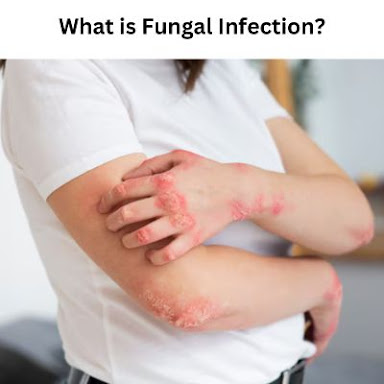
What is a Fungal Infection?


A fungal infection is when fungi multiply in excess on or within the human body, leading to several symptoms. Fungi are naturally occurring microorganisms that can be found in soil, plants, and even the human body. Though most fungi are harmless, some can cause infection if the infection-causing fungi grow under favorable conditions of warmth and moisture.


Types of Fungal Infection


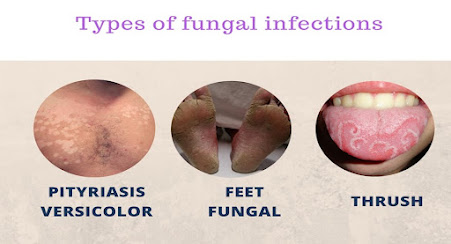
  • Athlete's Foot (Tinea Pedis): Usually causes itching, redness, and cracked skin of the feet, particularly between the toes.

  • Ringworm (Tinea Corporis): This is usually observed as a circular lesion with a clear middle; common in the arms, legs, or body.

  • Yeast Infection (Candidiasis): This is induced by a group of fungi known as Candida. It affects the mouth (oral thrush), genitalia, or other wet part of the body.

  • Onychomycosis Nail Fungus: Results in thickening and brittleness, with color changes. Toenails are affected most commonly.

  • Tinea cruris: Jock itch This disease of the groin results in itching, redness, and irritation of the area.

  • Tinea capitis: Ringworm of the Scalp Hair is lost. Scales with central clearing can also be noted with itching.


Symptoms of Fungal Infections


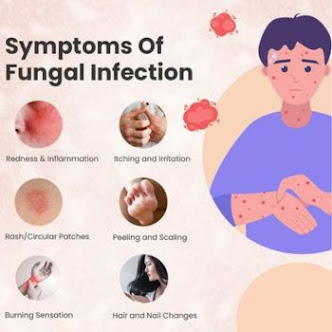
The symptoms of fungal infections depend on the type of fungus causing them and the area of the body affected. However, the most common symptoms include:


Itching and Irritation


Persistent itching can occur in the affected area.


Redness or Inflammation


The area may look red, swollen, or inflamed.


Peeling or Flaky Skin


The skin might turn dry, scaly, or flaky, especially if the affected condition is athlete's foot or ringworm.


Rashes


Ringworm, a fungal infection, causes circular, red, and scaly rashes with a clear center.


Thickened or Brittle Nails


Nail infections may cause nails to become thick, discolored, brittle, or crumbly.


White Patches or Discharge


In yeast infections (oral thrush), white patches may appear in the mouth or throat and may be accompanied by pain. Vaginal yeast infections can cause thick, white discharge.


Burning Sensation


Areas of infection may become painful or itchy, especially in cases such as jock itch.


Blisters or Cracked Skin


Blisters may occur or the skin may crack and continue to bleed, further adding pain.


Hair Loss


Scalp infections from ringworm infection cases also present patches of hair loss and scaly skin.


Foul Odor


Some fungal infections produce an odor with the condition, especially when involving the feet.

Causes of Fungal Infections


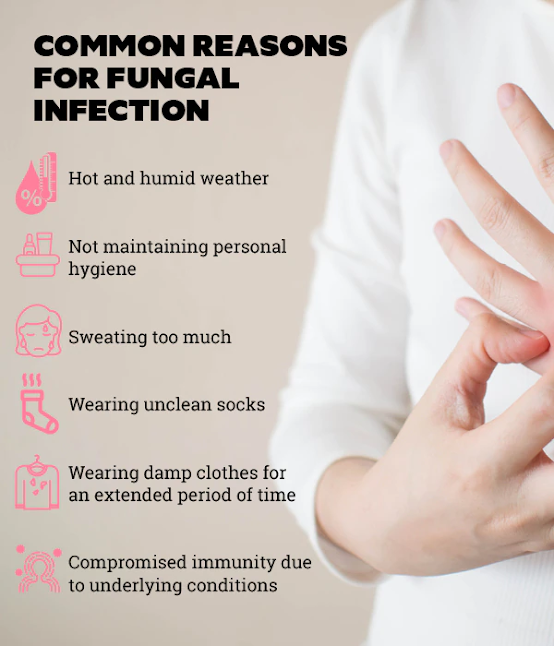
Fungal infections occur when fungi start growing in a specific region of the body. Several reasons are responsible for the occurrence of these infections, such as:


  • Warm and Moist Conditions: Fungi grow best in moist conditions like sweaty shoes, public showers, or humid climatic conditions.

  • Weak Immunity: A person who has low immunity is more likely to suffer from fungal infections.

  • Poor Hygiene: The absence of proper cleanliness can allow the growth of fungi.

  • Skin Injuries: Cuts, scrapes, or cracked skin offers entry routes for fungi.

  • Contact with Infected Surfaces: Prolonged use of personal items such as towels, shoes, or grooming apparatus can spread the infections.

  • Consumption of Antibiotics: Prolonged use of antibiotics disrupts the normal balance between bacteria and fungi, causing fungal growth.


Homeopathy Medicine for Fungal Infection


Homeopathy offers several safe and effective homeopathic medicines to treat fungal infections. These homeopathic medicines have no side effects and are non-toxic. Here are some common homeopathic medications used to treat fungal infections:


  • Sepia: Good for infections found in moist parts of the body, like the armpits or groin. It eases itching, burning, and odor.

  • Sulphur: Best used for infections where there is more itching, redness, and burning. Symptoms aggravate with heat.

  • Graphites: It is the treatment for the so-called thickened or cracked skin, nail infections, and so forth upon the involved area, and it supports the treatments of nail fungus and fungal-caused skin growths.

  • Candida Albicans: Specifically used to treat yeast infections like oral thrush or vaginal candidiasis.

  • Arsenicum Album: Relieving burning pain and itching, it is most often for athlete's foot or jock itch.

  • Calcarea Carbonica: Treated fungal infections in people who sweat excessively, particularly at their feet.


Best Homeopathy Medicine for Fungal Infection

The best homeopathy medicine for a fungal infection will be determined based on the kind of infection, the level of symptoms, and the overall health of the patient. This requires consulting with a qualified homeopath. Only through proper homeopathic treatment do people get complete relief and the chances of relapse decrease.


Benefits of Homeopathy for Fungal Infections


  • Natural and Safe: Homeopathy utilizes remedies prepared from natural sources, thus safe for all age groups.

  • No Side Effects: Unlike other conventional treatments, homeopathy does not cause side effects.

  • Holistic Approach: Homeopathy treats the whole person by focusing on physical and emotional health.

  • Long-Term Relief: Homeopathy addresses the root cause, preventing fungal infections from occurring again.

  • Customized treatment: Each medication is tailored according to the unique symptoms and medical needs of each individual.


Prevention for Fungal Infection


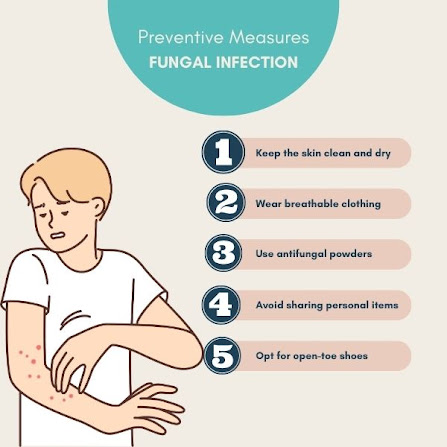
While homeopathy offers effective treatment, it's equally important to take preventive measures to avoid fungal infections:


  • Maintain cleanliness of the skin and dryness in areas prone to sweating.

  • Avoid tight clothing or footwear for long periods.

  • Change damp clothes and socks immediately after exercising or sweating.

  • Use personal towels, shoes, and grooming tools.

  • Wear protective footwear in public showers or swimming pools.

  • Eat a balanced diet and keep a healthy lifestyle to boost your immunity.


Disclaimer


These should only be taken under the guidance of a qualified homeopath. The remedies and treatments that are mentioned here are available for general information and may not be applicable to the individual. Thus, it requires medical consultation and the right care from a healthcare professional for proper diagnosis.


Key Points


Patients praise Dr. Deepika for her services in treating fungal infections in a systematic homeopathic approach and care to the patient's individual requirements. Her deep understanding of the condition with a compassionate approach has helped many to achieve lasting relief and overall improved health.


Wednesday, 8 January 2025

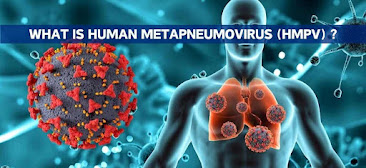
What is the Human Metapneumovirus [HMPV] with Dr. Deepika?

Since HMPV became known to public health in 2001, respiratory viruses have also been recognized over the years increasingly. Infectious disease specialist Deepika is ready to debunk the mystery surrounding HMPV as regards causes, signs, and symptoms of infection, method of transmission of the virus to humans, and susceptibility groups among others, and provides an overview of all this by demystifying in medical coding. This involves especially the ICD 10 version.

Understanding of Human Metapneumovirus Infection


Human Metapneumovirus is a respiratory disease caused by a virus of the same family as human respiratory syncytial virus (RSV). The virus typically causes symptoms akin to a common cold and may result in more serious respiratory conditions, especially among vulnerable populations.


Causes of Human Metapneumovirus

HMPV damages the immune system. The virus infects cells lining the respiratory tract. It causes infections ranging from mild to severe. Like other respiratory viruses, HMPV is highly contagious and can spread by several routes:


Airborne transmission: HMPV is spread mainly through droplets expelled during coughing or sneezing when the infection is airborne. These droplets contain virus particles and can be inhaled by others. causing new infections


Direct Contact: Direct physical contact with an infected person can also spread the virus. This includes actions such as holding hands or touching. Especially if you haven't washed your hands afterward and the virus has come into contact with your mouth, especially your nose, mouth, or eyes...


Fomite infection: This virus can survive on surfaces for some time, such as touching contaminated surfaces such as door handles, toys, and cell phones. And touching your mouth can cause infection. This route emphasizes the importance of regular disinfection in preventing the spread of viruses.


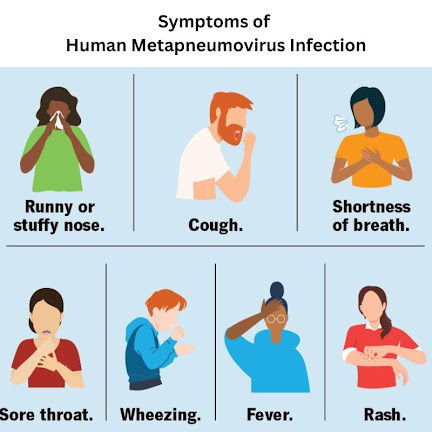
Symptoms of Human Metapneumovirus Infection


Human metapneumovirus (HMPV) causes symptoms similar to those seen with other common respiratory viruses, such as the common cold or flu. The severity of symptoms can vary greatly from person to person. This is influenced by factors such as age, immune status. and existing health conditions here at H.M.P.V.


Common symptoms of HMPV infection


Cough: Symptoms associated with HMPV include a continuous cough. This means it can be dry or productive. and may or may not produce mucus.


Fever: Many individuals infected with HMPV develop a fever, which ranges from mild to moderate. Having a fever often indicates that the body is trying to fight off an infection.


Nasal congestion: HMPV infection often causes a stuffy or runny nose. Similar to symptoms of the common cold


Shortness of breath: For some people, especially those with breathing problems such as asthma or chronic obstructive pulmonary disease (COPD), HMPV may be a good option.


Sore throat: A burning sensation and sore throat are common and may also be accompanied by a hoarse voice.


Symptoms that are less common


Headaches: Some people may experience headaches caused by viruses. Symptoms are often made worse by sinus pressure from nasal congestion.


Wheezing: Wheezing can occur due to the tightening of the airways infected by the virus. Especially in children and adults who have lungs...


Body aches: General body aches and feeling tired or weak are common symptoms of HMPV.


Severe symptoms


In some high-risk groups, such as infants, the elderly, and people with compromised immune systems, HMPV has proven effective.


Bronchitis: Infection in the bronchial tubes that can cause continuous coughing and extreme discomfort.


Pneumonia: HMPV in acute cases


Tracking and management


For most healthy individuals HMPV is not recommended, however, for people at increased risk of serious illness. It is important to monitor symptoms closely and see a doctor if they worsen or do not improve with normal care. Supportive treatments such as rest, hydration, and prescription medications can help manage symptoms. But when breathing is difficult or other serious symptoms occur Medical intervention may be required.


Understanding these symptoms can help recognize when a person may be infected with HMPV and take appropriate measures to prevent spreading the virus to others. Especially those who may be at risk of serious complications.


Risk factors for Human Metapneumovirus


Some people are more likely to get severe illness from HMPV:


Children: Especially those under five years of age.

Older Adults: Their immune systems are less capable of clearing viruses.

People with Weakened Immune Systems: Including HIV/AIDS, organ transplant recipients, or patients on chemotherapy for cancer.

People with Chronic Respiratory Conditions: Including asthma, COPD, or bronchitis.

How HMPV is Spread?


HMPV is spread through several modes:


Airborne Droplets: When an infected person coughs or sneezes.

Direct Controlling Contact:: Hand Shaking an Infected Patient.

Fomites: Handling contaminated viruses using objects that had been handled previously, doorknobs, toys, or electronics.


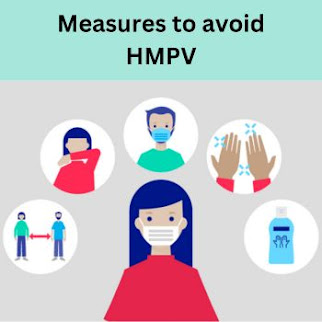
Measures to avoid HMPV


Dr. Deepika, mentioned the following to avoid getting the HMPV:


Hygiene of the hands: One frequently washes with soap and running water at least for 20 seconds which will prevent a disease.

Respiratory Etiquette: Coughing or sneezing onto a tissue and then disposing of the bend of the elbow

Avoid Close Contact: Distance person with suspected and confirmed illness - do not hug, kiss, or hand-shaking, when in an outbreak

Cleaning and Disinfection: Sanitation of touched objects inside and outside of the dwelling should be done regularly

Self-isolation: Avoiding people not to spread the virus when symptoms begin to appear as a respiratory infection.


Human Metapneumovirus ICD 10 Code


HMPV is thus classified in the medical coding particularly in ICD 10 in certain codes through which the provider and researcher may track the number of cases and efficacy of treatment, in managing healthcare data and ensuring the right treatment is given.


Conclusion


Human Metapneumovirus is a very crucial public health problem, especially among high-risk patients. Awareness regarding the mode of transmission, symptoms, and preventive practices may significantly decrease the disease burden. Dr. Deepika believes that vigilant follow-up and preventive practices are mandatory for the effective control and mitigation of HMPV in the global community. Education of the public and healthcare personnel could enhance our ability to behave as one entity in preventing the spread in the community and providing adequate care for the affected patients.


Author Profile: 

Dr. Deepika


Dr. Deepika’s Homeopathy stands as India’s premier homeopathic clinical chain, dedicated to restoring health through natural treatments.


Homeopathy Medicine For Eczema | Dr. Deepika Homeopathy

  Eczema can be managed safely and naturally through homeopathic medicine, which focuses on treating the root cause rather than just symptom...